Archive Box Store & Core Sample Vault
Kirkhill, Aberdeen
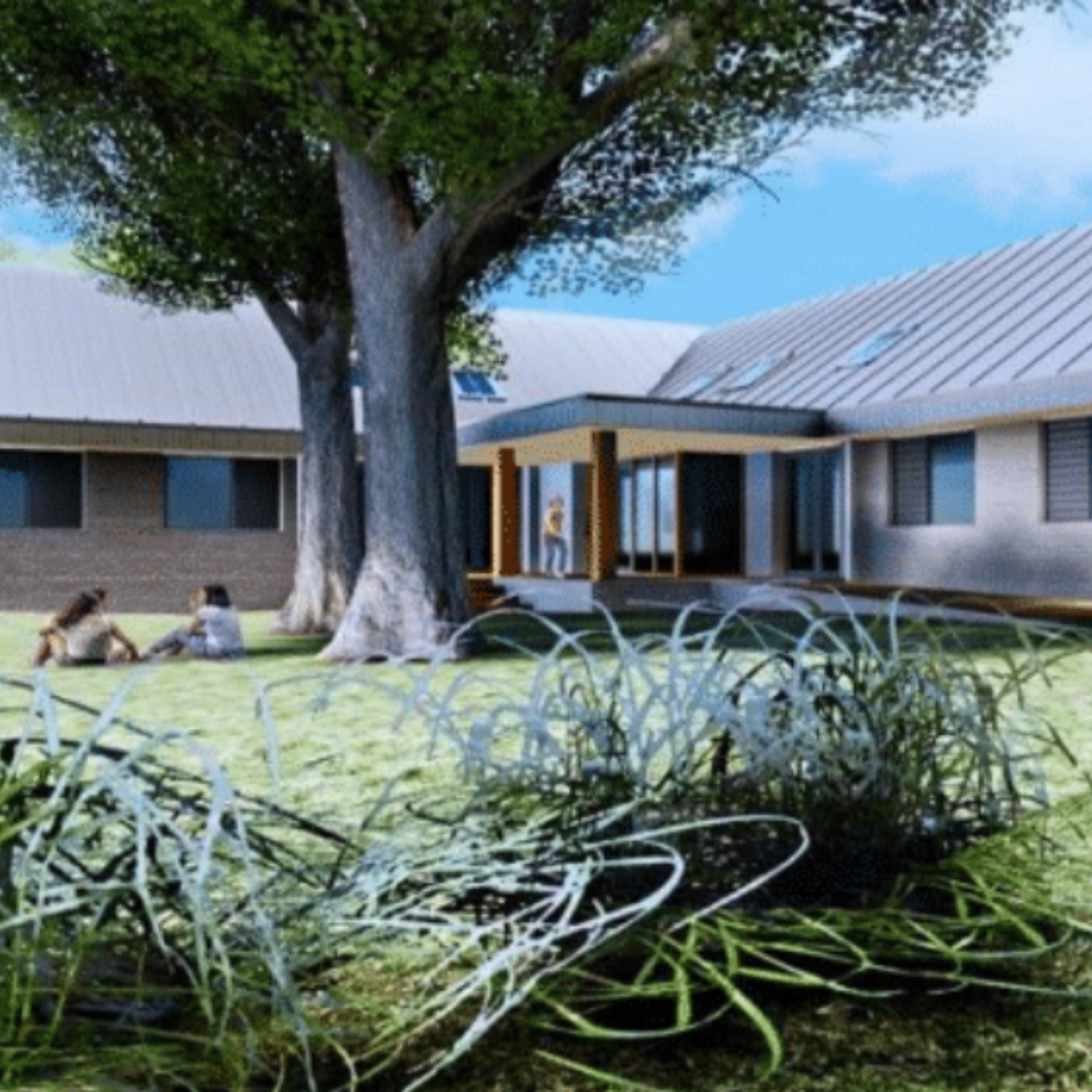
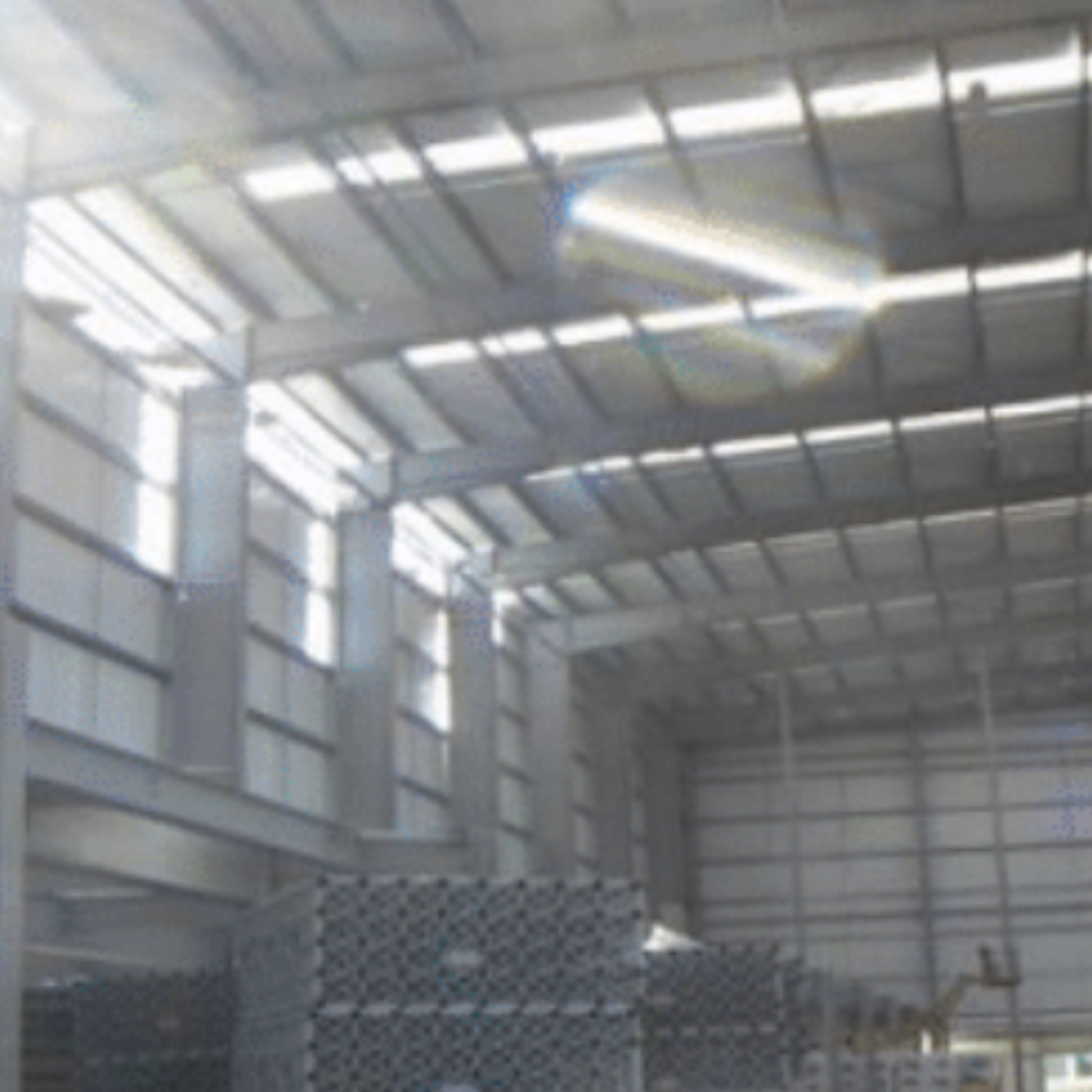
A multi-level archive and specialist oil industry core sample vault within a 15 metre warehouse.
The scheme involved fitting out a 15 metre high warehouse in Kirkhill, Aberdeen, with a multi-tiered racking installation and associated services to create two distinct storage environments: a box archive storage facility and a specialised oil industry core sample vault housing high-value geological samples.
The racking installation provided ground level and four elevated storage levels with fire-rated escape staircase enclosures and a two-hour fire compartment wall separating the box storage area from the core sample vault. Ancillary welfare facilities, offices and a client viewing space were located beneath the racking, supported above on a steel mezzanine structure. The total vault floor area extends to 15,479 square metres across the five levels.
Two distinct suppression strategies for two fundamentally different storage environments.
The box storage area was protected with a comprehensive sprinkler system complying with NFPA 13, covering roof level, in-rack and in-aisle positions to provide full protection across the multi-level racking installation. The core sample vault, containing irreplaceable geological specimens, required a different approach entirely - an inert gas suppression system triggered on a double-knock principle, providing suppression without the water damage that conventional sprinklers would cause to the stored samples.
All areas were provided with aspirating smoke detection at roof level, delivering very early warning capability across the full facility. The fire protection, detection, heating and ventilation systems were designed to function as a single composite system, with all interfaces coordinated to ensure reliable operation.
Full design, project management, cost control and site management from London.
Osborn Associates produced detailed and fully coordinated designs from their London offices for the entire scheme: the racking system, lighting and small power, gas-fired heating with energy-saving destratification fans, aspirating smoke detection, sprinkler protection, gaseous suppression and all fire system interfaces.
The company managed the full construction process including contractor appointments and approvals, cost management with client reporting, and on-site management covering construction sequencing, safety, deliveries and building code compliance. A zero snagging policy was operated throughout the project to great effect.
Delivering a five-level secure facility safely within a compressed nine-month programme.
The project faced a demanding construction programme of nine months total, with five months on site. Constructing a five-level racking installation with two distinct fire protection systems, a two-hour compartment wall and full building services within this timescale required disciplined sequencing and close coordination between all trades.
The secure nature of the facility added constraints on access and working practices throughout the construction period. Building safely across multiple elevated levels while maintaining the quality standards necessary for a zero snagging handover demanded rigorous site management from day one. The scheme was completed on budget, with access for the client's local business team achieved on programme.