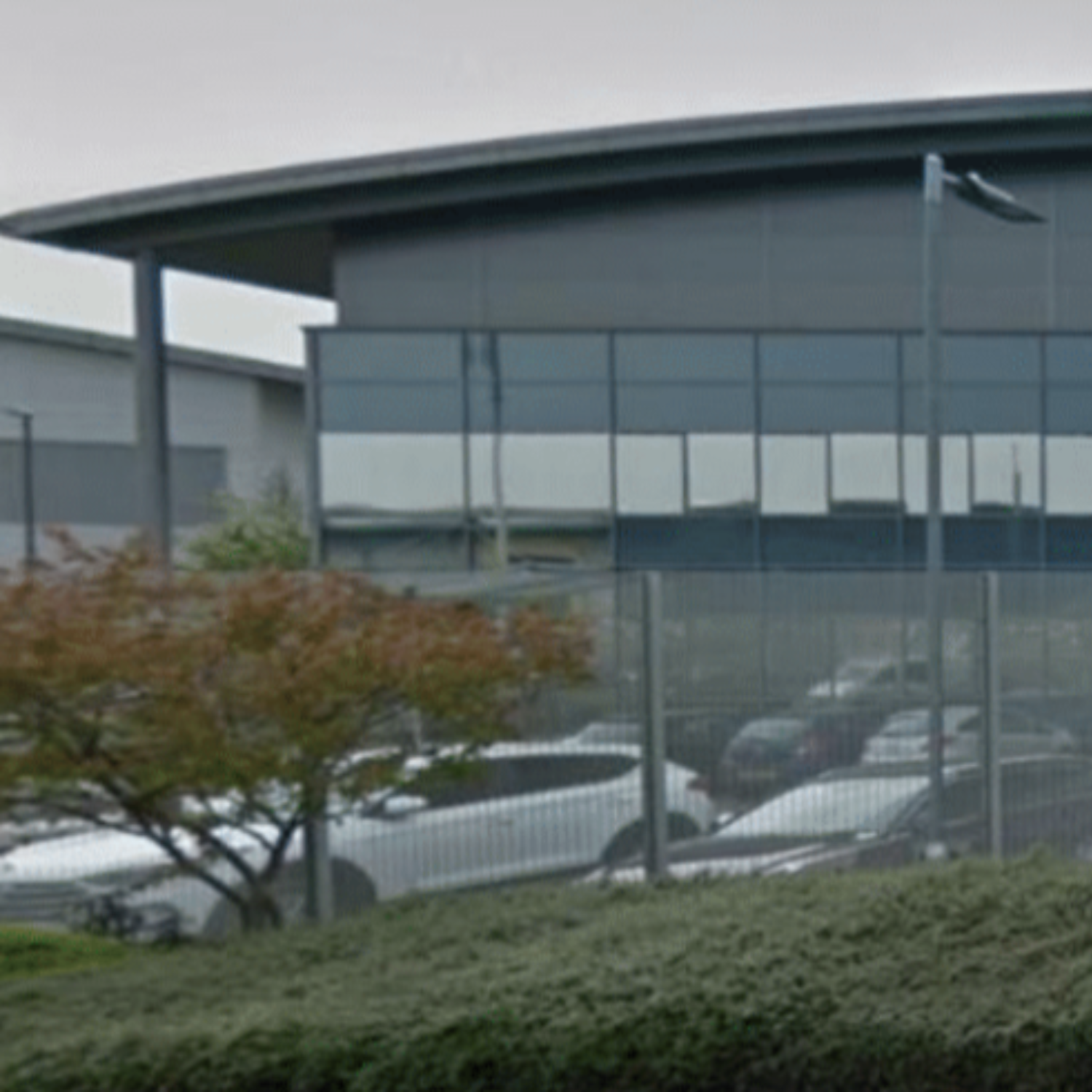
A new mission-critical data centre for a global platform operator.
The scheme involved the construction of a new data centre in London, completing the latest phase of Cyxtera's expansion plans across a network of eight facilities. Cyxtera, formerly known as Savvis, operates a global data centre platform comprising more Uptime Institute Management and Operations approved facilities than any other provider in the world.
The London facility features 37,500 square feet of raised floor, a chilled water air conditioning system, two separate electricity substations, biometric access control, state-of-the-art fire protection and detection systems and over 200 CCTV cameras. The environment demands the highest levels of resilience, redundancy and availability.
From concept design through to full turnkey fire systems installation and handover.
Osborn Associates were originally engaged by EYP Mission Critical Facilities for the design of all fire-related systems, covering concept design, detailed design and all associated calculations. The scope included obtaining systems approvals from both the local authorities and the client's insurer.
Following the successful completion of the design and approval process, the company were further engaged by the main contractor to provide a full turnkey service - installing, testing and commissioning the fire systems and handing over the completed installation to the client. This end-to-end appointment from initial design concept through to operational handover demonstrates the breadth of capability Osborn Associates brings to mission-critical environments.
Leading building services coordination across a complex, multi-discipline data centre build.
The greatest challenge was managing the complex logistics of a large-scale data centre construction within a multi-disciplinary design and build team. Data centres demand exceptional levels of coordination between mechanical cooling, electrical power distribution, fire protection and security systems, with zero tolerance for conflicts that could compromise the facility's availability or resilience.
Osborn Associates took a lead role in the building services coordination, ensuring that installations across all disciplines were integrated in the most cost-efficient and operationally practical way. The focus extended beyond initial installation to consider future operation and maintenance requirements, ensuring that every system was accessible and serviceable without impacting the facility's uptime commitments.