Sun Chemical
Ink Production Process Plant - Orpington, Kent
Three distinct fire protection solutions for a high-hazard ink production facility.
Sun Chemical are one of the largest producers of ink and paint in the world, and their London and South East facility produces a significant proportion of the ink used in the UK. The scheme involved retro-fitting a comprehensive fire protection installation to FM Global standards across three fundamentally different risk areas within the production site.
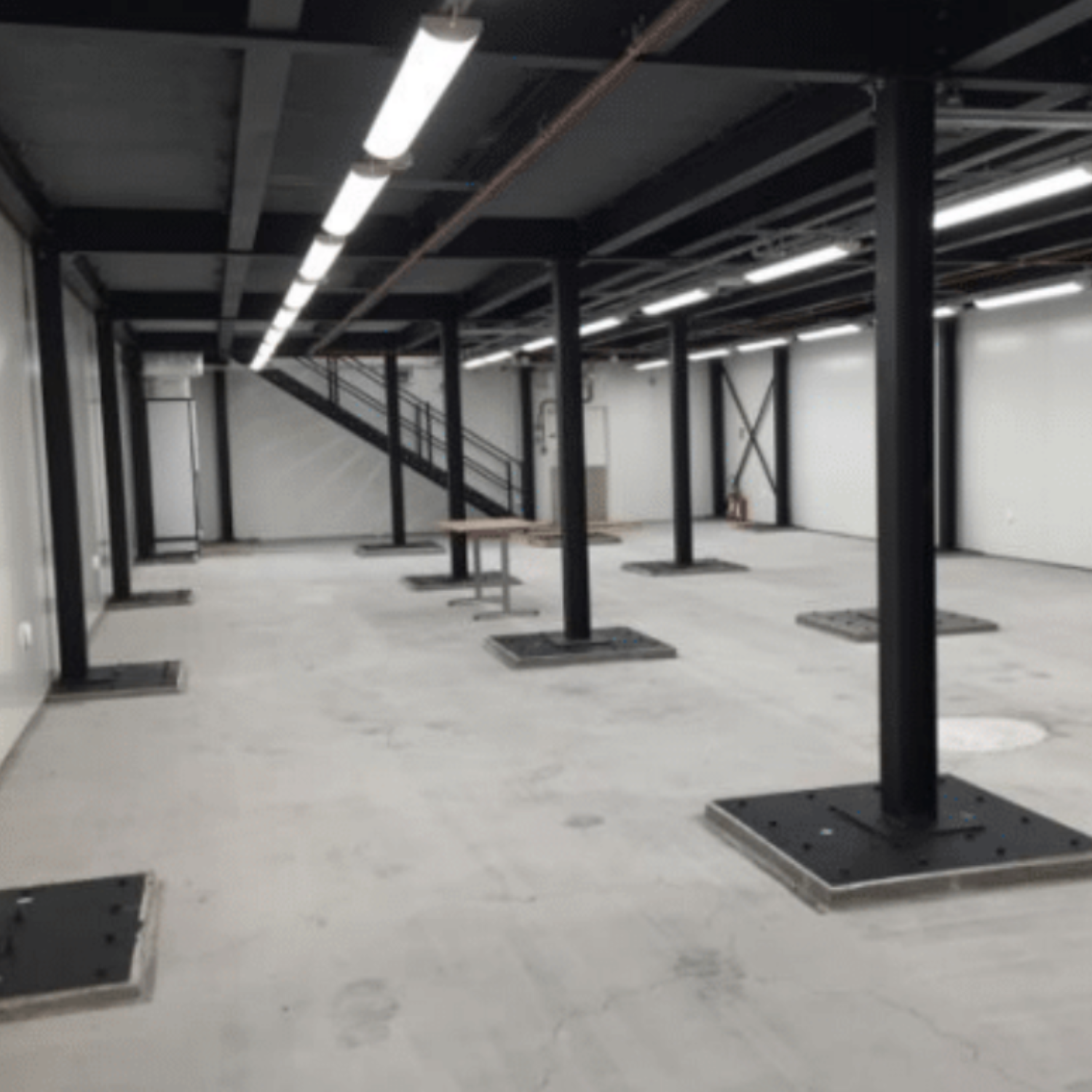
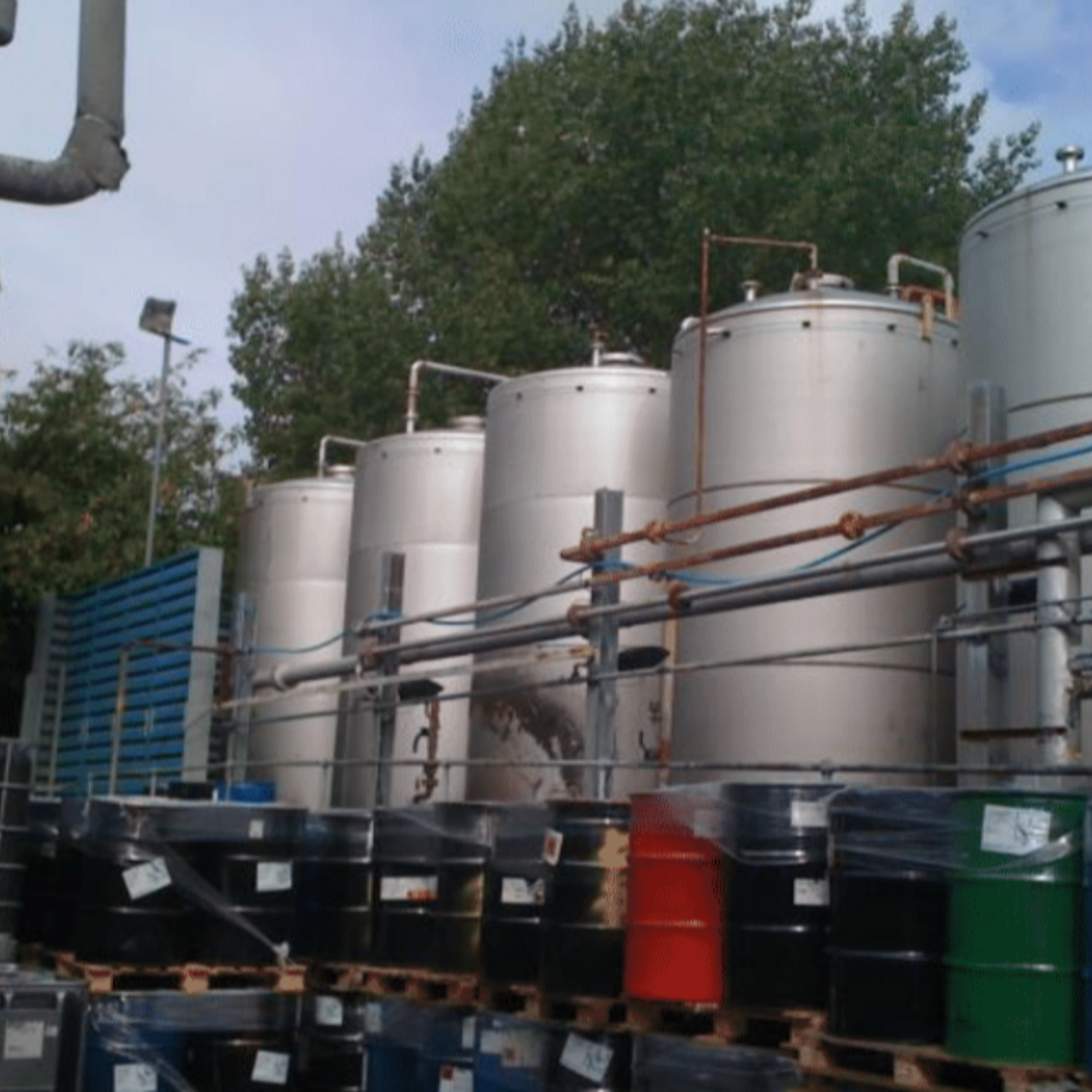
The external bulk storage tanks were provided with exposure control systems, spraying AFFF foam-inducted water onto the external tank skins via deluge valves and distribution corsetry. The internal production halls were protected using high-density water sprinkler systems at roof level. The external yard areas, used to hold bulk materials in drums, were covered by pre-programmed oscillating AFFF foam monitors providing a carpet of low-density foam across the area, initiated automatically by a flame detection system.
Fire protection design and full project management from tender through to completion.
Osborn Associates designed the fire protection systems throughout the project, covering concept design, detailed design, coordination and full hydraulic calculations across all three protection zones. Each zone required a different suppression medium and design approach, demanding a breadth of fire protection expertise that few consultancies can deliver from a single appointment.
The company also acted as project managers for the scheme, tendering the works packages, providing site attendance and supervision throughout the installation and fulfilling the principal contractor role under the CDM Regulations.
Retro-fitting fire protection around a live chemical production environment.
The primary challenge was coordinating the fire protection design and installation around the existing process plant services. An ink production facility contains complex pipework networks, chemical storage systems and temperature-sensitive processes that cannot be interrupted or compromised.
Ensuring the installation could be carried out safely while working around a live production environment required meticulous planning and close coordination with the site operations team. Every element of the installation needed to be sequenced to avoid disrupting production while maintaining the safety of both the construction workforce and the existing site personnel.